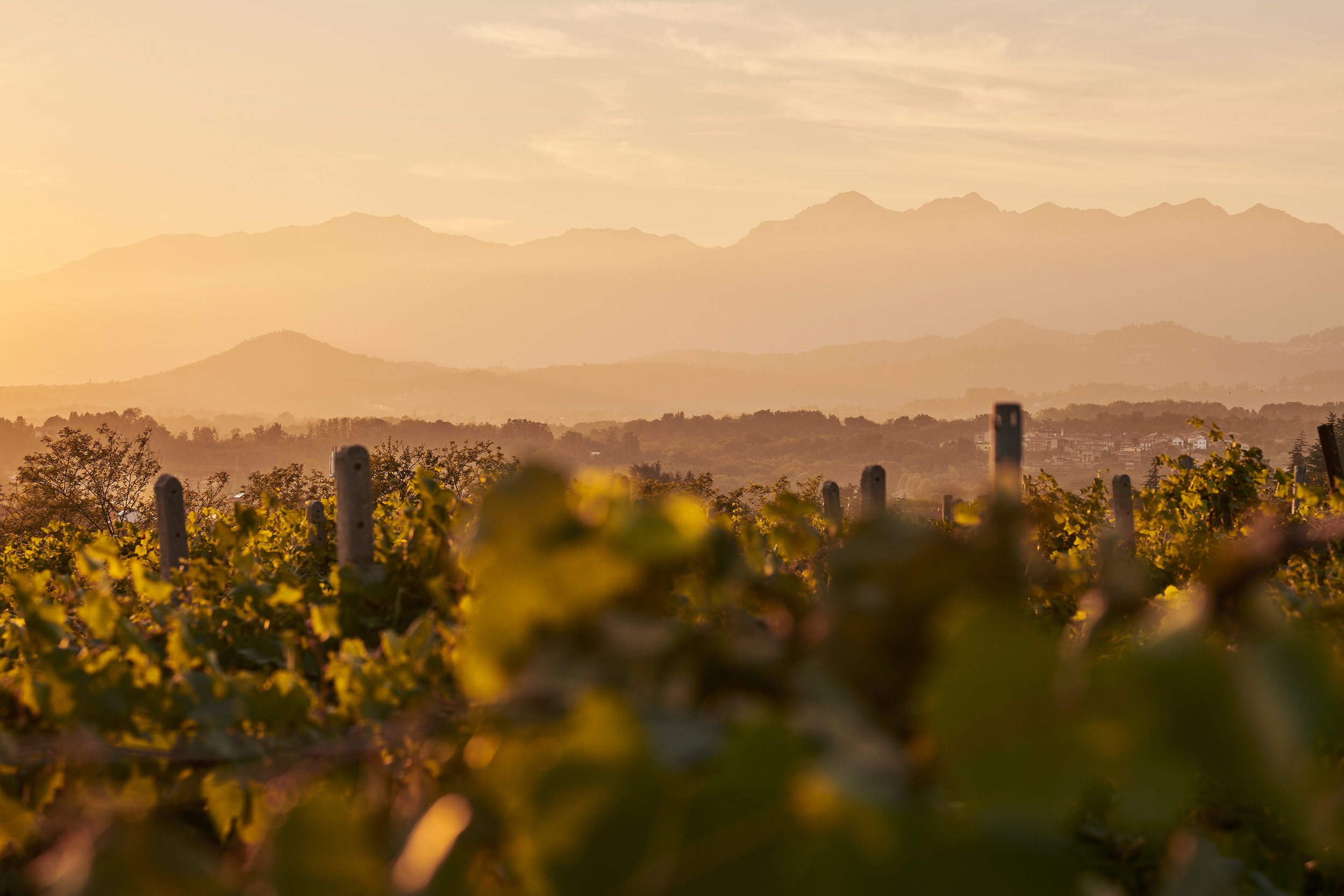
Unveiling Revered Terroirs.
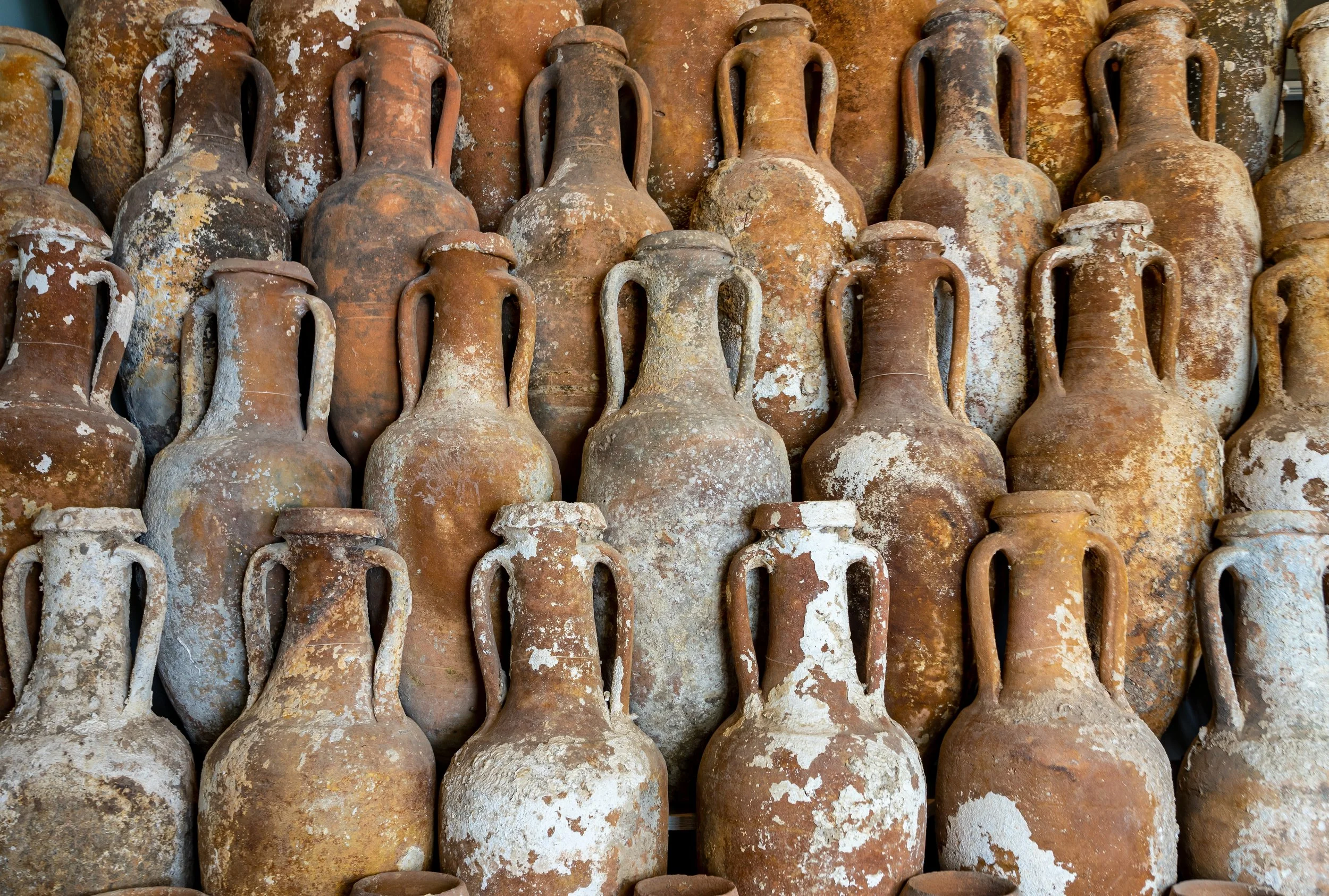
At Earthly Elegance, the portfolio is shaped through a structured approach to sourcing and representation, encompassing exclusive distribution arrangements that support a disciplined and coherent offering. Each selection is defined by origin, regional character and historic consistency, reflecting a measured approach to the categorised requirements of premium hospitality and retail environments, while maintaining a clear focus on provenance and long-term partner alignment.
Within a global market influenced by trade frameworks, export activity, and evolving consumer expectations; wine and spirits operate at the intersection of culture, heritage, and commercial relevance, requiring informed positioning and a precise understanding of import market dynamics. In this context Earthly Elegance presents a portfolio that enables clients to engage with leading terroirs through a considered, internationally grounded and commercially structured selection.























OLD WORLD
Old World wine primarily refers to wines crafted in Europe, but it also extends to regions within the Mediterranean basin, including North Africa and the Near East, which have a rich history of winemaking.
Contrary to what the term might imply, "Old World wine" does not denote a single, uniform style. Countries like Austria, France, Georgia, Italy, Portugal, and Spain each produce a diverse array of wines, with significant variation even within their own regions. Instead, the term encapsulates a broader philosophy of viticulture and winemaking, where tradition and the influence of terroir - the unique characteristics imparted by the land - are paramount.
In the Old World, winemaking is often deeply rooted in centuries-old practices, where small-scale producers have crafted wines to be enjoyed as part of daily life. These wines, designed to accompany meals, have given rise to the famous food and wine pairings we know today. Success for these village winemakers historically hinged on the reputation of their wines as reliable "table" wines, whether they were premium offerings or more budget-friendly options.
At Earthly Elegance, the portfolio includes wines from France, Italy, Spain, Portugal, Turkey and Switzerland, representing established Old World regions; each selection is defined by origin and production method, reflecting a direct relationship to terroir and supporting the requirements of contemporary environments.
NEW WORLD
New World wines are produced outside the traditional wine growing regions of Europe and the Middle East, with notable contributions from countries such as Argentina, Australia, Canada, Chile, Mexico, New Zealand, South Africa, and the United States, particularly California. This term highlights the contrast between the "New World" and the "Old World," where the latter boasts a long-established history of wine production rooted in Europe.
New World vineyards are often located in warmer climates compared to Central-Northern Europe, with some major wine regions even situated in irrigated desert areas. As a result, New World grapes typically ripen more fully, leading to wines that are generally more alcoholic and full-bodied. Influential critics like Robert M. Parker, Jr. have shaped the New World style, encouraging a focus on fruitier profiles and the use of new oak. However, there has been a recent shift away from the overly oaky and high-alcohol styles that were characteristic of late 1980s Australian Chardonnays, as winemakers explore cooler vineyards and adopt more refined techniques.
At Earthly Elegance, the portfolio includes a defined selection of wines from Chile, Argentina, the United States, Canada, South Africa, New Zealand, Australia and Japan, representing New World regions recognised for their progressive approach to viticulture and production; contributing a breadth of styles shaped by varied climates and offering commercially relevant diversity.
BEYOND WINE ALONE
At Earthly Elegance, the portfolio includes a selection of spirits sourced from Majorca, Ukraine, Brazil, Belgium, France, Scotland and Ireland, comprising UNESCO Heritage gins, grape-based vodkas (eaux-de-vie), aged cachaça rum, single malt whisky assortments and landmark liqueurs, with a number of these accredited by the London Spirits Competition; each is defined by production method, contributing to a portfolio shaped around practical application, while adaptable to supply and market movement.